
Infrastructure perception · Since 2018

Real-time digital twins for public roads, proving grounds and facilities

Turn roadside camera and LiDAR observations into live monitoring, repeatable ADAS tests and coordinated action. Built by a team with research and engineering experience since 2018.
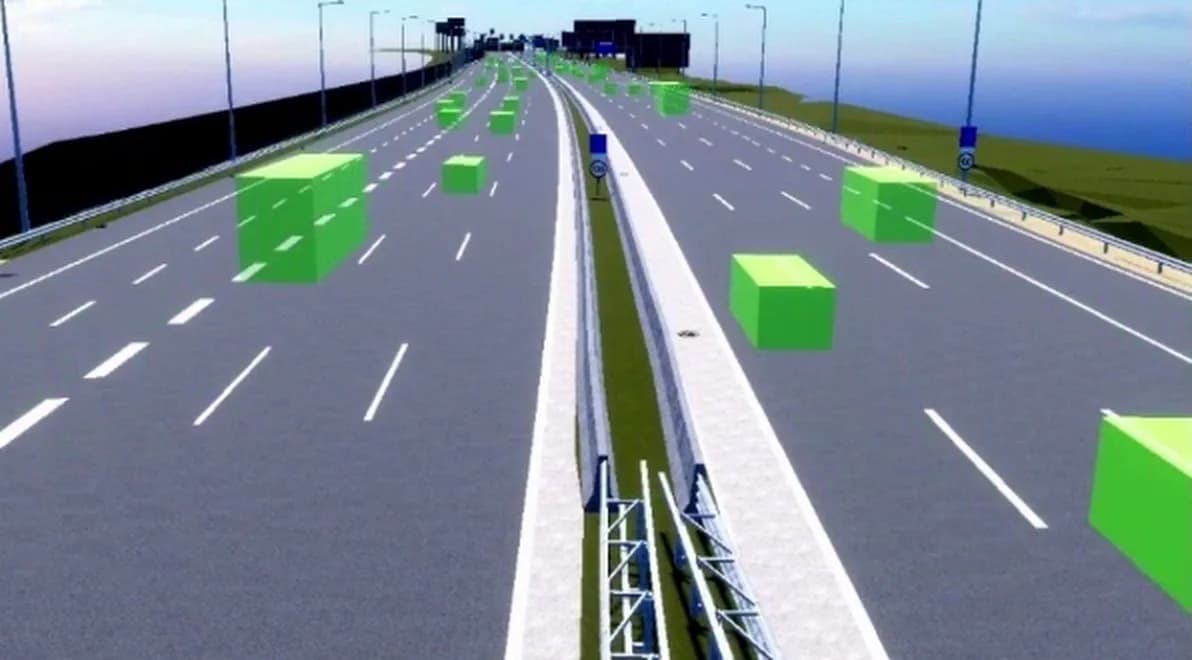
Video of the M1–M7 highway real-time digital twin: a 3D motorway model with live vehicle detections from the roadside sensor stations.
Team research & engineering
Since 2018
M1–M7 motorway demonstrator corridor
1.5 km
Infrastructure-based perception
Unimodal & Multimodal Sensing
What we solve

What do you need to achieve?

Cloud takes control: roadside sensors detect a car approaching a truck too fast and stream the data to the central cloud digital twin. The cloud takes control and brakes the car until a safe gap is restored.

Microscopic Traffic monitoring

Bring roadside camera and LiDAR observations into one referenced scene for traffic monitoring and engineering review.

Explore roadside monitoring

Automate ADAS test execution

Define a procedure, coordinate execution and review measurements against agreed acceptance criteria with ScenX.

Explore the ScenX workflow

Control Sensorless Vehicles by Cloud

Roadside sensors see the vehicle, so it needs no sensors of its own: the cloud digital twin plans its path and controls it remotely in real time.

Explore CloudControl

Collect and Evaluate Large Scale Microscopic Traffic Data Online/Offline

Inspect recorded traffic, define the required sensors and sampling, and request a release-specific quotation.

Explore data options
DriveByCloud platform

Our highlighted solutions

Explore ScenX automatic ADAS test execution, CloudControl vehicle control with Teleoperation, and the Smart Road System.

Available summer 202701

Repeatable scenario execution

ScenX Automatic ADAS test execution system

Runs your ADAS test scenarios automatically and reports every run.

  • Repeatable execution
  • Live run monitoring
02

Cloud-based and remote vehicle control

CloudControl

Guide vehicles with cloud-planned trajectories or remote Teleoperation, using the shared digital twin.

  • Cloud-based trajectory planning
  • Teleoperation with live operator feedback

In cooperation with

TU Wien, Stard
· High-speed cloud control
Virtual Vehicle
· Low-speed tests
03

Intelligent roadside sensor system

Smart Road System

Roadside sensors turn the M1–M7 motorway into a live digital twin that powers services for road operators and drivers.

  • Camera, thermal and LiDAR stations
  • Live digital twin of traffic
Engineering evidence

See the system, the workflow and the evidence

Explore CloudControl vehicle motion, roadside perception on the M1–M7 and the ScenX ADAS test workflow. Each case explains its evidence and the scope of a pilot.
View reference locations
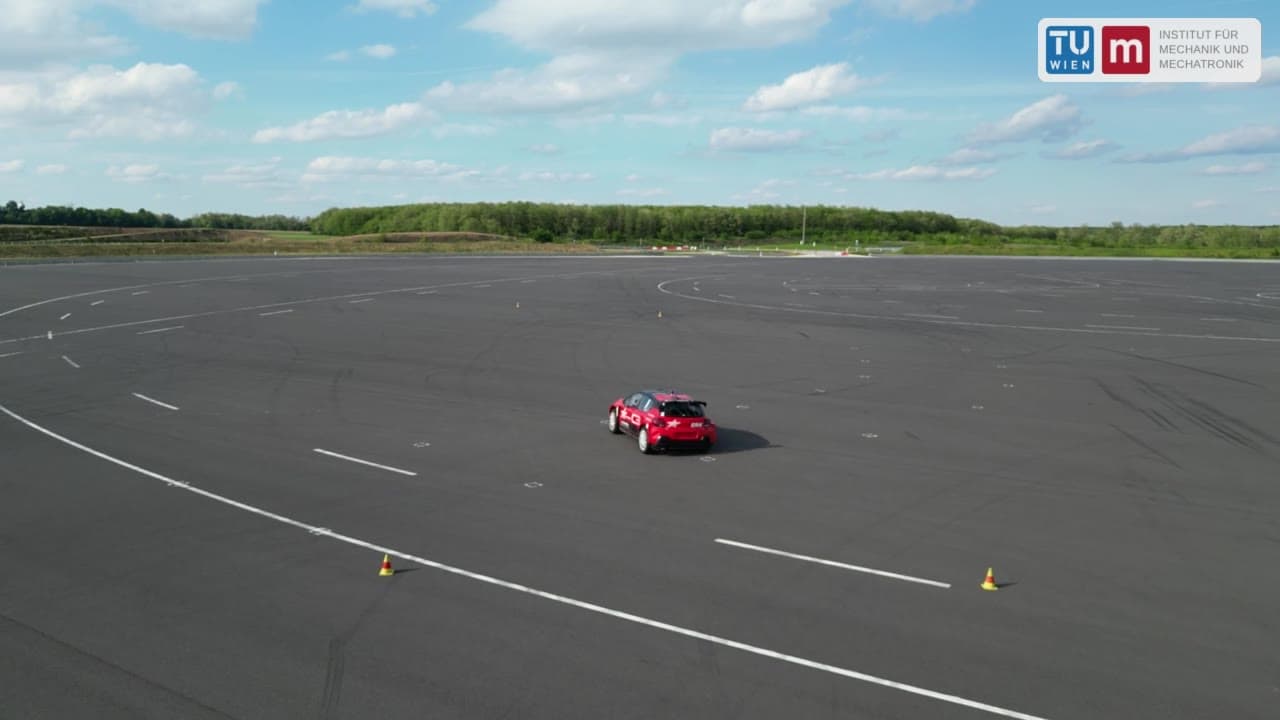
CloudControl proving-ground demonstration of cloud-guided vehicle motion
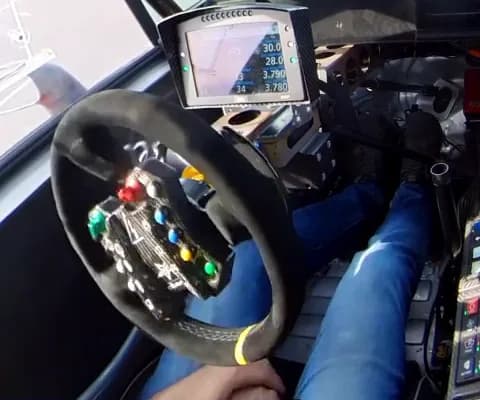
Cockpit view during a cloud-controlled run: the steering wheel is turned while the driver's hands rest in the lap
Hands off

Recorded control demonstrations

CloudControl: cloud-based and remote vehicle control

Use the shared test-area scene for cloud-planned vehicle motion or Teleoperation by a remote operator.

Recordings show cloud-guided path following, obstacle replanning and mixed-reality tests, alongside transcontinental remote driving through Teleoperation.

  • Cloud-based trajectory planning
  • Remote Teleoperation
  • Mixed-reality scenarios

Recorded motorway demonstration

Roadside perception on the M1–M7 highway

Collect and evaluate large scale microscopic traffic data online.

We map the entire 1.5 km shared motorway section into the digital twin with low latency: every tracked vehicle appears in the digital road scene within 100 ms.
  • 1.5 km motorway corridor
  • Camera + thermal + LiDAR
  • Referenced vehicle tracks
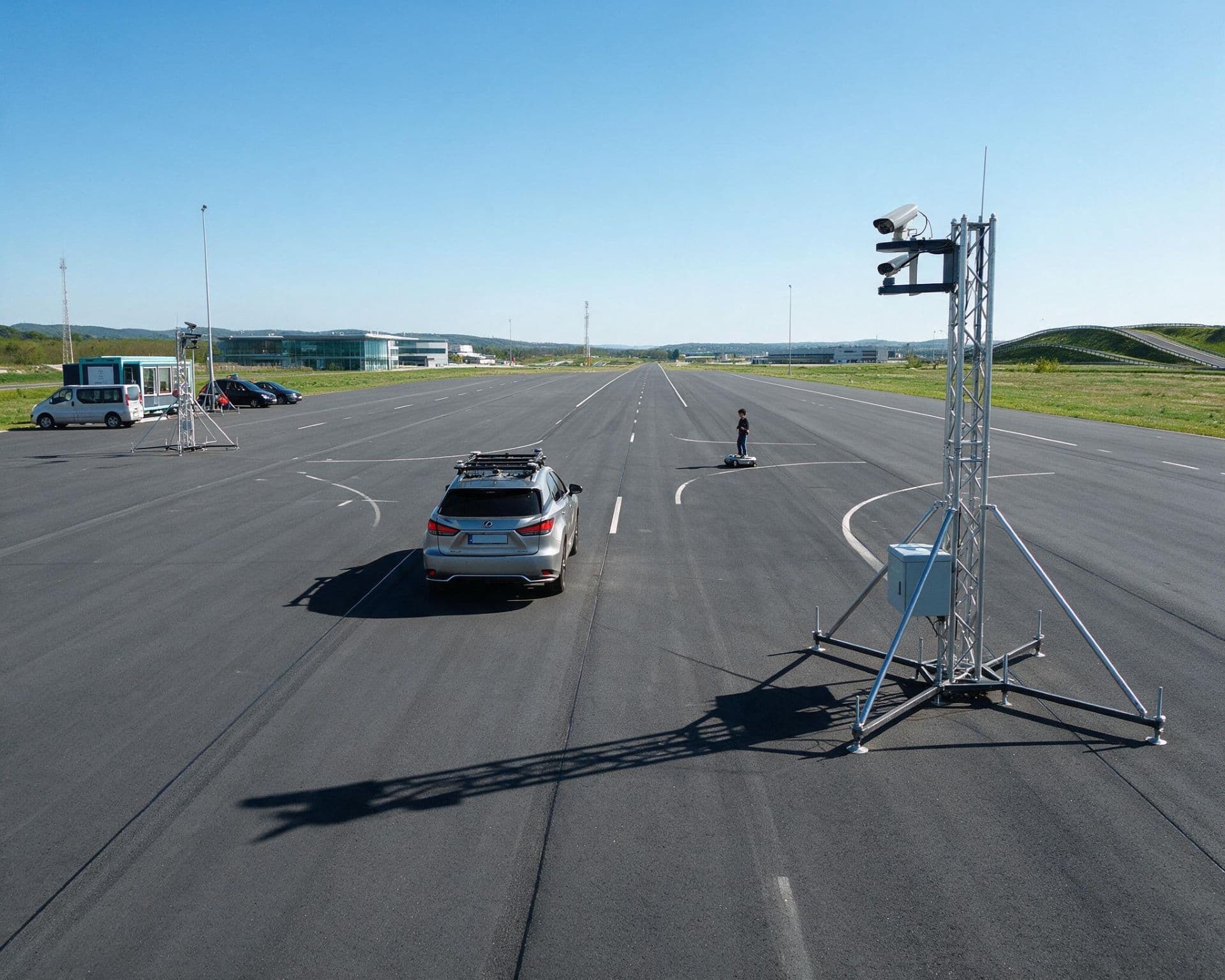
Vehicle measurement setup used to illustrate the ADAS engineering context

Repeatable ADAS scenario test execution

Available summer 2027

A repeatable ADAS test workflow

Execute an agreed test procedure consistently and keep the evidence needed to evaluate each run.

The workflow illustration explains how a run moves from a defined procedure to a reviewable pass/fail report. It is not a published performance benchmark.

  • Procedure → execution → report
  • Project-defined acceptance criteria
  • Traceable run evidence

Read the signed Bosch and Hungarian Public Roads recommendations for the DriveByCloud research group, and meet the specialists behind the work.

Quality management

Documented quality management

DriveByCloud’s ISO 9001 quality-management certification is listed as valid in TÜV Rheinland’s Certipedia register. Check the issuer’s live record for its status and scope.
TÜV Rheinland ISO 9001 test mark published by DriveByCloud
Valid certificate · TÜV Rheinland

ISO 9001:2015

TÜV Rheinland’s live Certipedia register lists DriveByCloud Kft’s ISO 9001 quality-management certificate as valid.

Verified in TÜV Rheinland’s Certipedia register on 9 November 2026. Open the issuer’s live record for the current certificate status and scope.

Registration
01 100 2324073
Test mark ID
9000030111
Listed scope
Data process and webhosting; scientific and technical research and development.
Build the right workflow

Start with your environment and engineering question

We will help map your sources, test process, and review needs to the appropriate DriveByCloud product.
NKFIA – Projektinformációk

Az NKFI Alapból megvalósuló projekt – Nemzeti Kutatási, Fejlesztési és Innovációs Hivatal

Infrastruktúra szenzorok segítségével előállított valós idejű digitális iker technológiára alapozott szolgáltatások megvalósítása

Projekt azonosító:
2023-1.1.2-GYORSÍTÓSÁV-2024-00021
Kedvezményezett neve:
DriveByCloud Korlátolt Felelősségű Társaság
Projekt címe:
Infrastruktúra szenzorok segítségével előállított valós idejű digitális iker technológiára alapozott szolgáltatások megvalósítása

Projekt leírása

A projekt tárgya a DriveByCloud Kft. kutatás-fejlesztési projektje a járművek vezetéstámogató funkcióinak automatizált tesztelésére és digitális iker modell alapú szolgáltatások fejlesztésére. A DriveByCloud Kft. a BME Gépjárműtechnológia Tanszékével együttműködve jött létre azzal a céllal, hogy a tanszék kutatási eredményeit piaci környezetben is hasznosítani tudja. A kutatók járműipari, ITS rendszerbeli, szoftvertervezési, gépi látás és szenzortechnológia területén rendkívüli szakmai tapasztalattal rendelkeznek, ami kulcsfontosságú a fejlesztési folyamatokhoz.

A projekt fő célkitűzése egy centralizált rendszer kifejlesztése, amely autóipari tesztpályákon automatizáltan teszteli és kiértékeli a járművekbe integrált vezetéstámogató funkciókat. A jelenlegi tesztelési folyamatok jelentős erőforrásigényt és költséget jelentenek, a centralizált rendszer automatizálásával ezen költségek csökkenthetők. A tesztpályára – és adott esetben járművekre, drónokra – telepített heterogén szenzorhálózat adatfolyamaira épülő digitális iker modell létrehozása lehetővé teszi a tesztkörnyezet valós idejű digitális reprezentációját.

A projekt további célja egy TRL7 szintű szolgáltatás és szoftverrendszer kifejlesztése, amely a digitális ikermodellen alapulva küld specifikus vezetéstámogató üzeneteket a járműben lévő mobiltelefonra. Ez a szolgáltatás a környezet digitális ikermodelljére támaszkodik, kibővítve a vezetéstámogató funkciókat olyan járművek számára is, amelyek nem rendelkeznek szükséges szenzorokkal.

A projekt részeként létrehozunk egy centralizált keretrendszert, amely automatizálja a vezetéstámogató funkciók tesztelését és referencia adatok generálását. A központi rendszer lehetővé teszi az operátoroknak a járművek távoli vezérlését, és további szolgáltatásként vezetéstámogató üzeneteket küld a mobiltelefonokra. A kutatás szorosan kapcsolódik a BME által kifejlesztett Proof-of-Concept rendszerhez, amely a valós idejű digitális ikermodell előállítására alkalmas. A projekt részeként a rendszert az M1/M7 intelligens szakaszán telepítjük és teszteljük, a központi rendszerben jelentkező késleltetések vizsgálatára és kezelésére összpontosítva.

Megvalósítás helyszíne(i):
Budapest – BME, Zalaegerszeg
Támogatási összeg:
241.399.441 Ft
Megvalósítás kezdete:
2025.02.01.
Megvalósítás tervezett vége:
2028.01.31.